
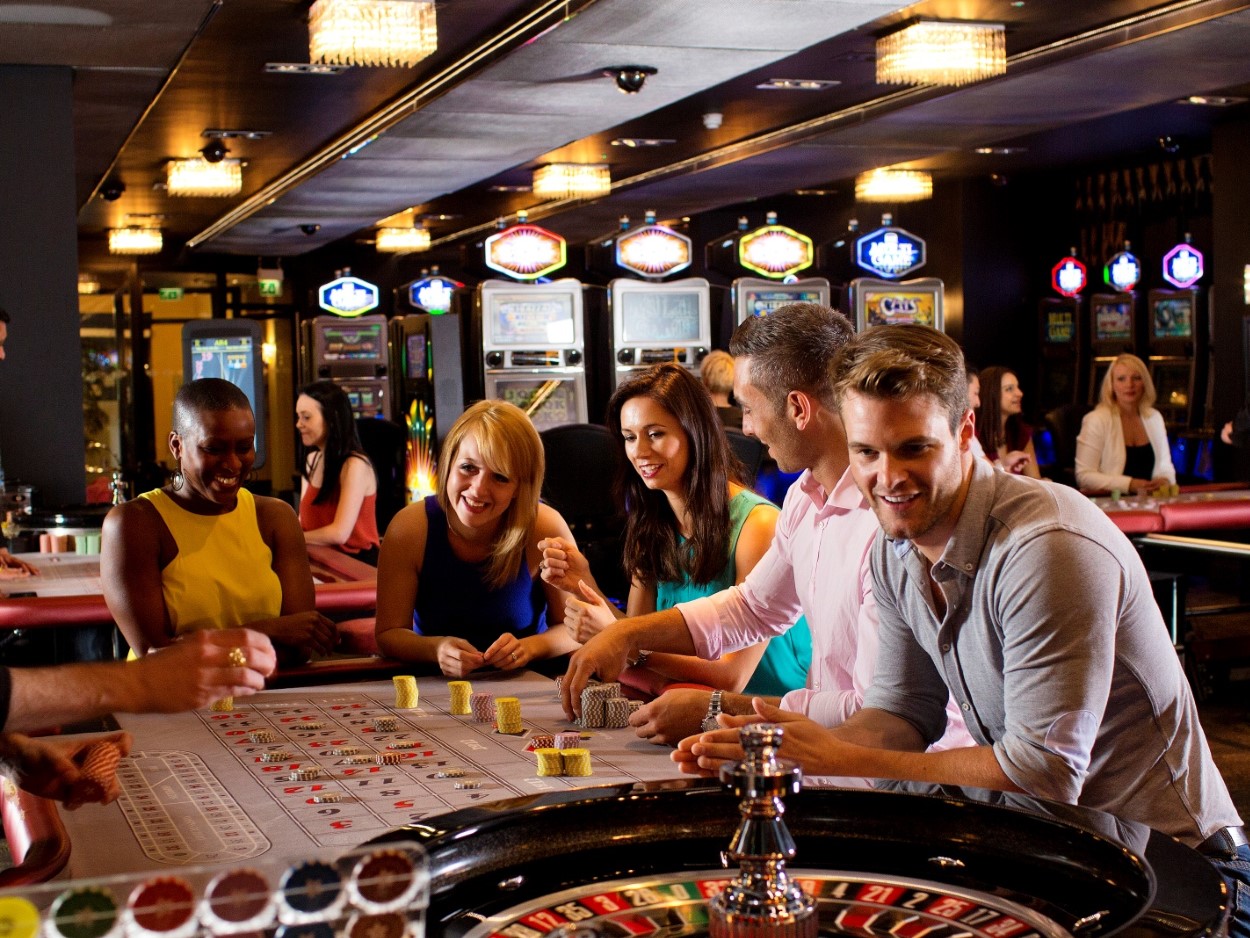
Give priority to understanding the differences in gameplay, strategy, https://www.tonybetcasino.io/ and odds when deciding between traditional betting setups and modern slot entertainment. Players seeking a mix of social interaction and strategic thinking may find themselves drawn to table options, where skills in blackjack or poker play a significant role in the outcome.
On the other hand, if simplicity and fast-paced action appeal more, consider the allure of spinning reels. These machines provide immediate gratification and require no prior knowledge of complex rules, making them a preferred choice for casual players.
Analyzing payout structures reveals another layer of distinction; table options often boast lower house edges compared to their electronic counterparts. This factor is crucial for those looking to maximize their bankroll during gameplay. In contrast, slot setups can feature enticing jackpots and bonus rounds that can yield substantial rewards, attracting risk-takers and thrill-seekers.
Ultimately, your choice should align with personal preferences, desired engagement level, and betting strategies. Evaluate your goals and risk tolerance to determine the most suitable path in the exciting world of wagering.
Analyzing the Odds: House Edge in Table Games Compared to Slot Machines
Choosing between traditional card games and spinning reels involves understanding their odds. The house edge for card experiences generally ranges from 1% to 5%, depending on the specific type played. For instance, Blackjack boasts roughly a 1% edge with optimal strategy, making it a popular choice among knowledgeable players.
In contrast, video and classic spinning games exhibit a wider variance in house advantage. Most commonly, this advantage hovers between 2% and 15%. Progressive jackpots can push this figure even higher, which often dissuades players seeking better odds.
Assessing the playing strategies also highlights differences. Card enthusiasts often employ tactics that influence outcomes, thereby reducing the house edge. Conversely, spinning enthusiasts rely solely on chance, as there are no strategic decisions affecting results.
Another factor to consider is payout ratios. While card competitions allow players to win higher percentages of their wagers back over time, spinning devices might lure participants with flashy jackpots, masking their less favorable odds. Understanding the true Return to Player (RTP) percentage is critical.
For those who seek a methodical approach, card competitions represent favorable odds. With practice and knowledge, players can manipulate their chances effectively. Learning basic strategies can turn odds in their favor considerably.
Conversely, engaging with spinning devices offers excitement and instant gratification. The thrill of hitting a jackpot or a bonus round attracts many; however, the odds are often less favorable, leading to quicker losses in a short timeframe.
Lastly, consider emotional impacts. Card sessions promote social interaction and strategic thinking, creating a potentially more rewarding experience. In contrast, spinning reels deliver solitary entertainment, lacking direct engagement with other players.
In conclusion, whether opting for classic strategies or quick thrills, grasping the nuances of the house edge enables informed decisions. Prioritizing odds can significantly enhance the enjoyment and potential success of wagering. Assess your preferences and approach accordingly.
Gameplay Experience: Skill versus Luck in Choosing Table Games or Slots
For those seeking a strategic edge, choosing activities that rely on skill, such as blackjack or poker, offers significant advantages. Mastering the rules and developing tactics result in better odds compared to purely chance-based activities. With practice, an experienced player can influence outcomes, making skill application pivotal in these competitions.
On the contrary, spinning the reels in a mechanical setup operates solely on luck. Players have no control over the outcomes, as results are determined by random number generators. While this can lead to instant wins, it lacks the engagement and tactical elements associated with skill-based setups.
Statistical analysis reveals that games like poker showcase player skill, where decisions can impact both short-term results and long-term profitability. The probability of winning can shift dramatically based on chosen strategies, making knowledge a powerful asset in these setups.
| Type | Skill Involvement | Luck Involvement |
|---|---|---|
| Blackjack | High | Moderate |
| Roulette | None | High |
| Poker | Very High | Moderate |
| Slots | None | Very High |
Engagement levels differ widely; strategic competitors often enjoy the interaction with other players and dealers. This aspect enhances the experience, creating social dynamics absent in solitary spin-based actions. Players value these interactions, adding depth to their enjoyment.
Choosing between skill-based options and luck-based alternatives largely depends on personal preference. Those who thrive on challenge and strategy may favor the former, while individuals seeking casual entertainment may prefer the latter. Each offers distinct thrills tailored to different gaming styles.